General Contractor Solutions: Guaranteeing Your Project Achieves Success
General contractor services play a vital role in the building industry. These professionals manage the challenges of building endeavors, making sure all aspects proceed efficiently from beginning to end. Their duties encompass obtaining necessary permits, coordinating subcontractors, and adhering to budgets. In spite of these important roles, many clients remain unaware of ways to identify the ideal contractor or the difficulties these experts encounter. Grasping these elements can substantially affect the success of a project, prompting further exploration into the nuances of their services.
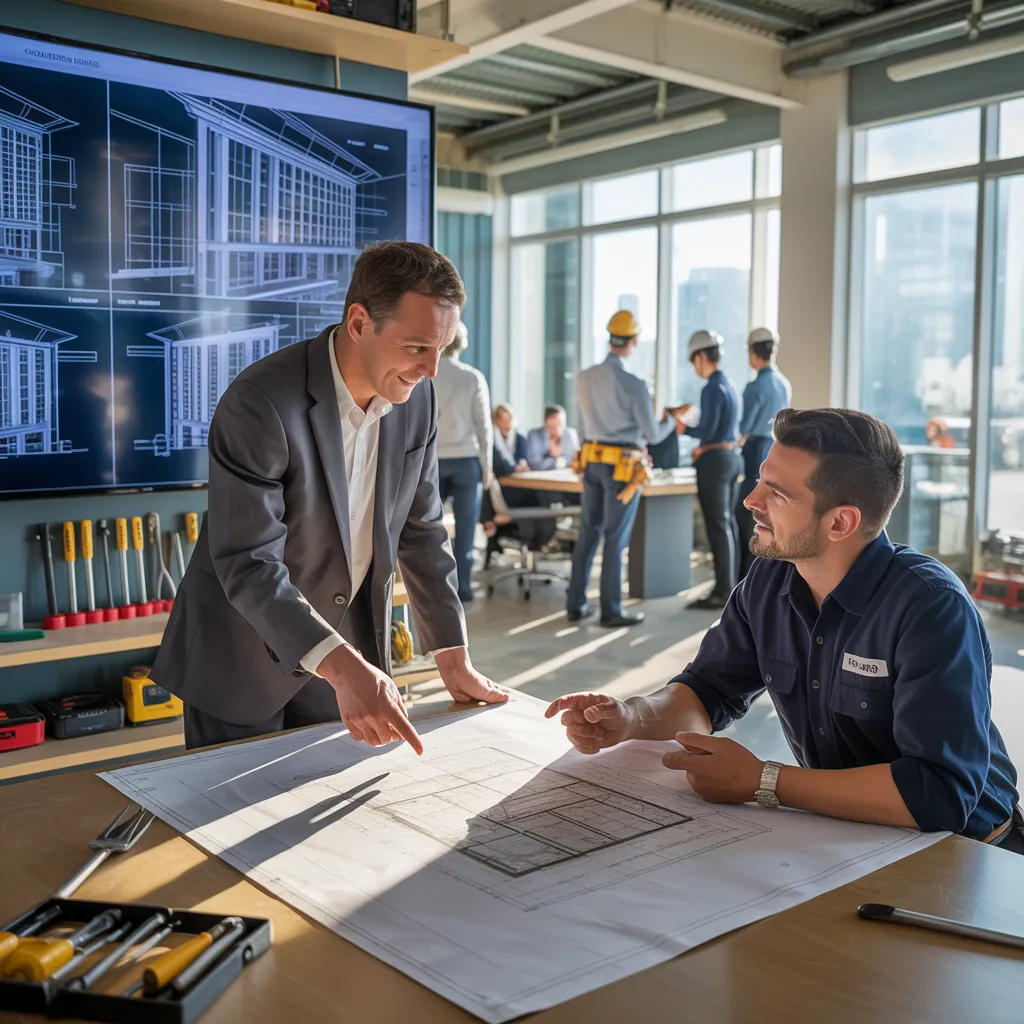
Core Services That General Contractors Provide
General contractors serve a crucial function in the construction industry by delivering a broad range of essential services. They are tasked with supervising the full construction process, ensuring that projects are delivered on schedule and within budget. Core services include project management, where they oversee numerous tasks and subcontractors, ensuring effective communication and workflow. In addition, they oversee procurement, obtaining materials and equipment necessary for the project while establishing agreements with suppliers.
General contractors additionally ensure adherence to local building codes and regulations, shielding the project against legal issues. They often conduct site inspections to monitor progress and maintain quality standards. Furthermore, they manage budgets, tracking expenses website and addressing any financial issues that may arise. By means of these comprehensive services, general contractors function as the key figure in construction projects, enabling a seamless and effective execution from start to finish. Their knowledge is critical for accomplishing desired goals in construction projects.
Comprehending the Role of a General Contractor
The role of a construction manager includes a series of critical duties that secure the seamless execution of construction endeavors. Effective communication is essential, as it supports cooperation among multiple stakeholders, including suppliers, clients, and subcontractors. Appreciating these factors is important for appreciating the contribution a general contracting professional brings to any project.
Core Responsibilities Outlined
Maneuvering the intricacies of construction projects requires a solid understanding of the key roles held by a general contractor. Primarily, a general contractor manages the entire construction process, coordinating between various subcontractors and confirming that work adheres to the project timeline and budget. They are charged with acquiring necessary permits and licenses, overseeing procurement of materials, and conducting regular site inspections to copyright quality standards. Additionally, they serve as the primary point of contact for the client, addressing any concerns that emerge during the project. By effectively managing resources and timelines, the general contractor proves essential in reducing delays and guaranteeing that the project adheres to safety regulations and building codes, consistently achieving project success.
Value of Effective Communication
Effective communication serves as the foundation of effective construction management. General contractors must effectively relay key details across clients, suppliers, and subcontractors to make certain project milestones are reached. This involves addressing budgets, timelines, and design requirements, which are critical for maintaining project momentum. Breakdowns in communication can cause costly holdups and poor-quality results, emphasizing the need for transparency across all communications. Frequent check-ins and transparent communication promote cooperation and assist in spotting problems before they worsen. Furthermore, a general contractor's skill in converting complex terminology into simple language improves client comprehension and overall satisfaction. In the end, strong communication not only simplifies the building process but also builds trust among all parties involved, resulting in the overall success of the project.
What to Look for When Choosing a General Contractor for Your Project
Selecting the ideal construction professional for a construction project can substantially impact its success. Prospective clients should begin by researching the contractor's professional credentials, including licenses, coverage, and bonding, which are essential signs of dependability. Suggestions from family, friends, or industry experts can deliver valuable guidance into a general contractor's reputation and work history.
Next, analyzing portfolios and case studies is useful for assessing a contractor's background in comparable projects. It is essential to conduct interviews, raising detailed questions about their process, timeframes, and strategies for resolving challenges. Collecting multiple quotes gives clients the ability to evaluate expenses, however the cheapest option is not necessarily the most suitable; expertise and quality ought to play a significant role in the final choice.
Finally, evaluating communication approaches and confirming alignment with project expectations is essential. A contractor who actively listens and comprehends the client's objectives can foster a collaborative environment, ultimately leading to successful project outcomes.
How Clear Communication Benefits Construction Projects
Clear communication serves as a cornerstone for thriving construction endeavors, keeping all involved parties on the same page throughout the process. Reliable communication pathways support the exchange of essential data, from project specifications to timelines. This openness serves to avoid miscommunication, minimizing the chances of expensive setbacks and revisions.
Ongoing updates and feedback mechanisms foster cooperative work among architects, engineers, and contractors, fostering a cohesive environment. When goals are explicitly defined, team members can focus on their respective responsibilities with certainty, knowing they are striving for a common goal.
Moreover, addressing concerns promptly through open dialogue lessens conflict and strengthens reliability among stakeholders. This preventive strategy not only strengthens decision-making but also encourages a culture of ownership. At its core, the application of powerful communication methods substantially advances the general success and effectiveness of construction initiatives, paving the way for timely completion and high-quality outcomes.
How Contractors Manage Your Budget and Timeline
Accurate budget planning and timeline oversight are critical components in the construction process. Construction professionals employ comprehensive planning and strategic resource allocation to guarantee projects stay within financial limits while adhering to schedules. By harmonizing these critical aspects, they enhance overall project efficiency and client satisfaction.
Exact Budget Estimation
Accurate budget estimation is essential for the success of any construction project, as it directly influences both the fiscal and scheduling components. General contractors utilize detailed cost evaluation strategies, including detailed material and labor assessments, to establish a workable budget. They often rely on historical data and current market trends to forecast costs with precision. By factoring in potential risks and unanticipated costs, contractors create a realistic financial framework that shields clients from cost overruns. Additionally, they work closely alongside suppliers and subcontractors to achieve cost-effective rates, ensuring that the budget continues to support project targets. This careful methodology not only cultivates reliability but also boosts project productivity, ultimately contributing to the successful completion of the construction endeavor.
Efficient Timeline Management
Excelling at timeline management is crucial for construction managers as it has a direct effect on both project duration and financial compliance. Effective project managers employ detailed scheduling techniques, using digital tools to create detailed project plans that define each stage of the project. These professionals pinpoint critical milestones and distribute resources strategically, ensuring that tasks are completed on time. Ongoing project evaluation enables timely adjustments, limiting disruptions from unanticipated events. Additionally, proactive communication with vendors and subcontractors fosters cooperative working relationships, enhancing overall project efficiency. By maintaining a clear focus on project timelines and financial limits, construction managers can manage difficulties with confidence, reliably completing projects that align with client goals while staying within budgetary boundaries. This disciplined methodology is essential for successful construction management.
Key Challenges General Contractors Handle
Steering through the intricacies of construction projects creates numerous obstacles for general contractors. Chief among these obstacles is the oversight of various subcontractors, each requiring effective communication and oversight to guarantee timely completion. Additionally, unexpected delays often emerge due to supply chain disruptions, adverse weather, or unexpected site challenges, necessitating quick adaptive thinking. Budget constraints also pose significant challenges, as contractors must maintain a careful equilibrium between quality and budget while adhering to client expectations. Compliance with local regulations and building codes adds another layer of challenge, requiring contractors to keep up to date on legal requirements. Additionally, cultivating open communication channels and addressing client expectations can be difficult, particularly when clients introduce alterations partway through construction. Ultimately, general contractors must overcome these challenges with proficiency and resourcefulness to achieve project success while preserving the highest levels of quality and safety.
Long-Term Benefits of Hiring a Skilled General Contractor
Trust in craftsmanship regularly allows clients to appreciate the enduring value of hiring a skilled general contractor. Such experts offer a vast amount of expertise that ensures work is finished to high standards. Their ability to manage timelines and budgets effectively prevents unnecessary holdups, which can significantly affect the overall financial health of a project.
Moreover, experienced general contractors maintain extensive connections of vetted subcontractors and suppliers, providing access to higher quality services and materials. These connections commonly delivers outstanding quality work and fewer future problems, producing durable outcomes.
Additionally, a qualified contractor can navigate complicated regulations and permits, guaranteeing compliance and decreasing the risk of legal complications. Their preventive problem-solving skills can also tackle unforeseen challenges successfully, safeguarding the integrity of the project. In the end, hiring a qualified general contractor not only enhances the short-term results but also contributes to the lasting value of the home.
Common Questions and Answers
What Qualifications Should I Seek in a General Contractor?
When hiring a construction contractor, one should consider licensing, insurance, credentials, experience, references, and communication skills. A qualified contractor exhibits a proven track record of successful project management, client satisfaction, professionalism, and reliability.
How Do General Contractors Deal With Permits and Inspections?
General construction managers oversee permits and inspections by acquiring essential approvals from local authorities, ensuring compliance with established building regulations. They coordinate scheduling of inspections, handle concerns without delay, and maintain communication with all relevant stakeholders to facilitate project progression.
Can You Hire a General Contractor for Smaller Projects?
Indeed, clients can work with contractors for smaller projects. Several contractors supply solutions suited to small renovations or repairs, ensuring high-quality workmanship and compliance with local codes and regulations, ultimately simplifying the experience for residents.
What Insurance Should a General Contractor Carry?
General contractors are required to carry workers' compensation, general liability insurance, and commercial auto insurance. Such coverage addresses vehicle-related incidents, employee injuries, and potential damages, guaranteeing financial security for both the contractor and clients during ongoing projects.
How Do I Resolve Disputes With My Contractor?
To address conflicts with a contractor, people should begin by expressing their concerns openly. If unresolved, consulting the contract and pursuing mediation or legal counsel can assist in achieving an equitable outcome and safeguarding their rights.